
Ledger.com/Start® — set up your Ledger hardware wallet
Visit Ledger.com/start to prepare your Ledger wallet, connect your hardware device, organize crypto accounts, and review important security steps.
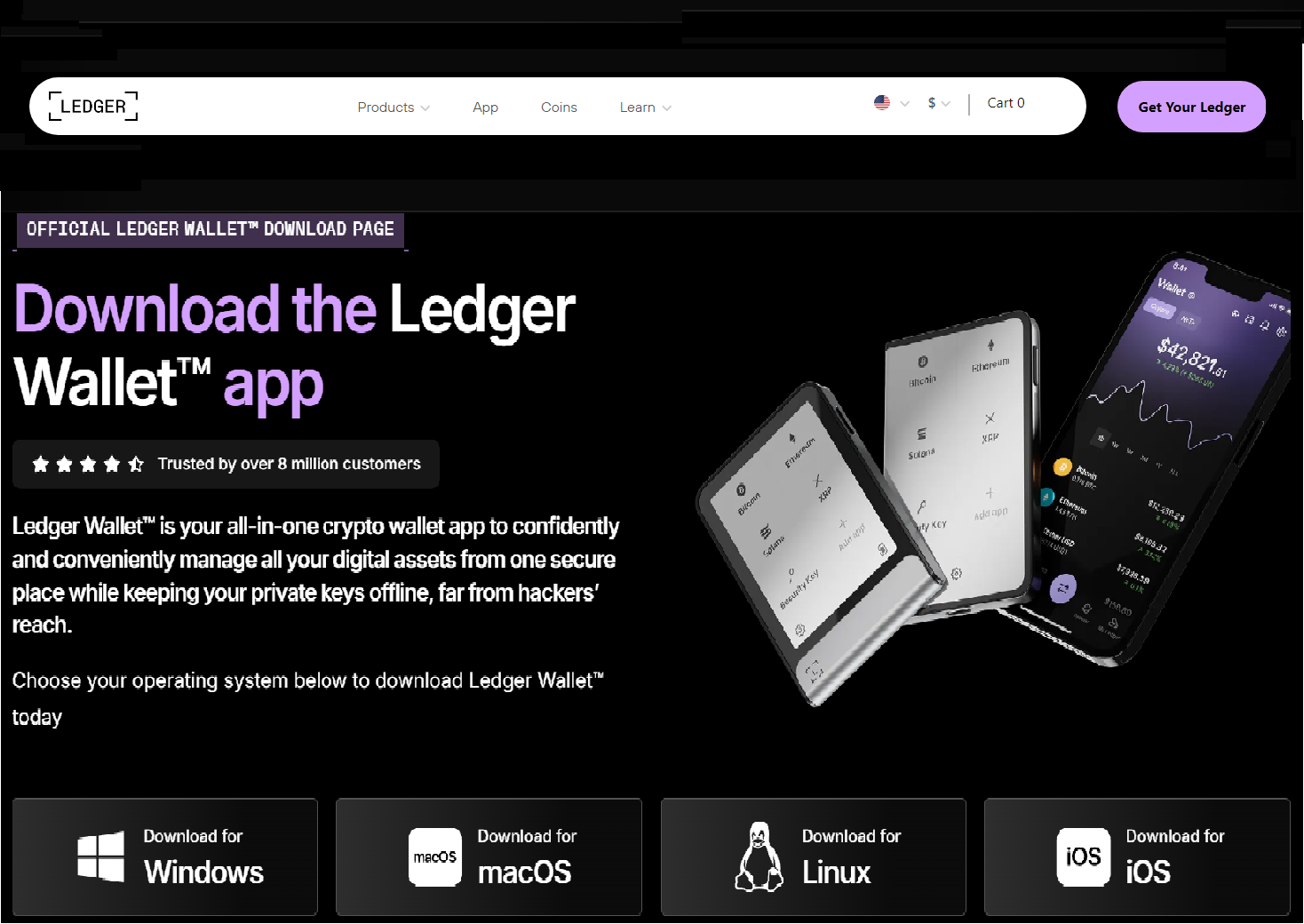
Ledger.com/start: Wallet Setup and Security Guide
Getting started with a Ledger hardware wallet involves more than connecting a device. Users also need to understand how wallet software, private keys, recovery information, and transaction approval work together. Ledger.com/start offers a useful starting point for setting up a compatible Ledger device and preparing it for regular crypto management.
What Happens During Setup?
A typical setup begins by accessing the official Ledger setup resource and following the instructions provided for the specific device. You may need to install the supported Ledger wallet application before connecting the hardware wallet.
Once connected, the device can guide you through initialization. Read each instruction carefully rather than rushing through the process.
For a newly created wallet, recovery information is generated during setup. This information should be written down exactly as instructed and stored in a secure location that only you can access.
Keep Recovery Information Private
Your recovery phrase is one of the most important security elements associated with a self-custody wallet. Anyone who obtains it may potentially gain control of the associated wallet.
For that reason, never:
- Send your recovery phrase by email
- Store it in screenshots
- Upload it to cloud storage
- Enter it into an unfamiliar website
- Give it to someone claiming to be customer support
- Post it in a public or private online group
A legitimate troubleshooting request should not require you to reveal your recovery phrase.
Explore Everyday Wallet Management
After setup, the wallet application can act as the interface for managing supported crypto accounts. Available functions vary according to the device, asset, software version, and current service support.
Common activities may include checking balances, reviewing account activity, receiving assets, preparing transactions, and organizing supported accounts.
The software makes these tasks easier to navigate, while the hardware wallet plays a key role in protecting the private keys used for transaction authorization.
Make Transaction Checks a Habit
Before confirming a transaction, compare the recipient address and amount shown on the hardware device with what you intended to send.
This is especially useful when interacting with unfamiliar websites or services. A website can display information that appears correct while a transaction request contains different details.
Taking a moment to verify the information directly on the device can help reduce avoidable errors.
Watch for Phishing Attempts
Wallet users can encounter fake support accounts, imitation websites, suspicious browser messages, and fraudulent download pages. A professional-looking website is not automatically trustworthy.
When accessing Ledger services, start from a known official source rather than clicking unexpected links. Be particularly cautious if someone creates urgency or asks for private wallet information.
Troubleshooting Basic Setup Problems
If the device is not detected, check the USB connection and make sure the required wallet software is running. Reconnecting the device or restarting the application may also resolve temporary connection issues.
For persistent problems, use the official support documentation rather than following instructions from unknown individuals online.
FAQ
Is Ledger.com/start the wallet itself?
No. It is a setup starting point. The hardware device and compatible wallet software work together.
Can I manage crypto without protecting my recovery phrase?
Recovery information should always be treated as highly confidential and stored securely.
Do I need to check every transaction?
You should carefully review transaction details on the hardware device before approving important transactions.
Conclusion
Ledger.com/start helps establish the basic workflow for setting up a Ledger hardware wallet. From the initial connection to everyday account management, careful verification and strong recovery-phrase protection remain essential. A secure setup is not just about installing software—it is also about developing safe habits for every future transaction.
Updated about 4 hours ago